
If you caught the early post Architectural Meanderings, Summer 2026, you probably picked up on our appreciation of structures.
Japan is no different. Everything from the ancient—or a faithfully rebuilt replica of something ancient—to the modern.
So our first entry in this blog harkens back to that post from early September.
That’s right, another Frank Lloyd Wright building. This was our first-ever FLW visit, back around 2005. And it happened to be located just a few blocks from the Yokosoi festival in the last post. So of course we had to walk over.

Jiya Gakuen Myonchikan was originally built as a Christian Girl’s School in 1921. The building is faithfully preserved, so we were looking forward to revisiting it. Unfortunately, it was closed for a private event.
As we meandered around the block, we returned to the front of the building just in time to see the reason for the closure, a wedding. The bride and groom were placed in front of those large windows and the photographers were doing their work. That worked for me, as I had the big camera and long lens on my hip. But I won’t process those pics for a while.
So instead we ramble on.

And with that, this new WordPress iOS app update has removed my ability to write captions to the images. But it sure has been changed, so I guess there’s that.
Anyway, that’s the old with the new in the picture above. To the right is the moat wall of the Imperial Palace, painstakingly refurbished after the widespread deconstruction of 1945. In the background are relatively new skyscrapers in the Otemachi district of Tokyo.

Coccoon Tower. Nishishinjuku, Tokyo, Japan.
Well, that’s the “upgraded” feature of “media+text” to force captions. It’ll have to do.

Tokyo Tower traffic cones. Shiba-koen, Minato, Tokyo, Japan
I really liked that special touch of symmetry with the classic landmark.

Tokyo Tower. Shiba-koen, Minato, Tokyo, Japan
I always enjoy being surprised with how quickly the tower appears and disappears as you move through the city.
Like when you stop to catch the Lamborghini show-boating in traffic. That sure is a lot of money and power to only go 40kmh (25mph). But what’s that in the distance?

Tokyo Tower with Lamborghini. Shiba, Minato, Tokyo, Japan.

Roppongi Hills. Roppongi, Tokyo, Japan
That was always one of our favorite stops those two decades ago. There’s always a fantastic art exhibit up on the 58th floor (closed this day). Plus, I needed to see if the Maman Spider Sculpture was still at the base of the tower.

Maman Spider Sculpture. One of only six in the world. Roppongi, Tokyo, Japan.
And then there’s the great view from the observation deck of Roppongi Hills.

Tokyo, Japan. There’s that tower again.
Which leads to these experiences –

Evening (c)rush. Roppongi Metro Station. Once the doors opened, pnly one person got out. We managed to squeeze another dozen or so in before the doors closed. Zoom in, if you’d like,
I could add several more temples and shrines to this ode to buildings, but you probably have seen enough for a bit.
So instead here’s an old bell tower, the city symbol of Kawagoe.

Kawagoe Bell Tower. Kawagoe, Saitama, Japan.
Yes, thats architecture, too. The entire network is efficient and amazing, with every detail planned and mapped out. It has to be, with millions of passengers every day.
Originally built around 1630, completely rebuilt in 1894, and refurbished a decade ago, the tower is the focal point of every visitor to the old city, preserved to replicate how it looked and felt during the seventeenth century.
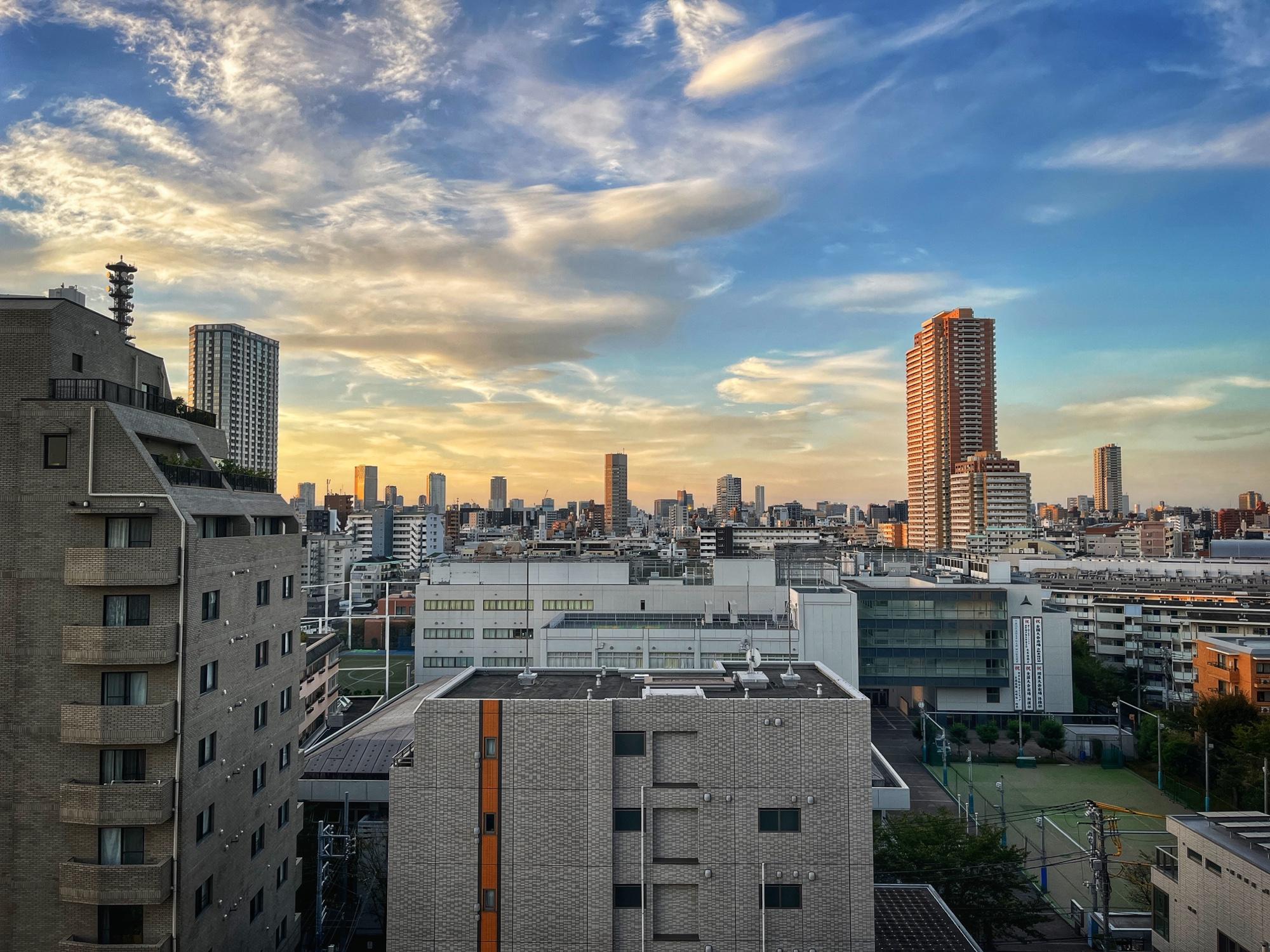
Which is drastically different from the Tokyo Skytree, the tallest structure in Japan and the third tallest in the world at 634m (2,080 feet). You can see it below, in the far distance to the right of the frame, tucked behind our neighboring tower.

Tokyo Skytree, Sumida, Tokyo, Japan. As seen from Higashiahinjuku, some 10-12km (6-8mi) distant.
Are any of them a favorite for you? Not just on this post, but ones prior?


Leave a Reply